The Real Reason Your Home Feels Hotter Than It Should
Every summer, it’s the same thing. One part of the house feels fine, and another feels like it’s holding onto heat for no reason. You lower the AC, wait a bit, and… nothing really changes.
A lot of people assume it’s poor airflow or an aging cooling system. Sometimes that’s true. But more often than not, the problem starts at the windows.
Sunlight coming through glass doesn’t just light up the room—it carries heat with it. And once that heat is inside, it lingers. Especially in the afternoon. Especially in rooms that face direct sun.
Why Window Coverings Make More Difference Than You Think
Most homeowners don’t immediately think about window coverings when trying to cool a space down. It feels like a small detail. But it’s not.
The best window coverings for summer don’t just sit there for privacy or decoration. They actually slow down how much heat gets in. That’s the part that changes things.
Because instead of constantly trying to cool the air, you’re stopping the heat before it builds up in the first place.
Cellular Blinds—Simple Idea, Big Impact
At a glance, cellular blinds don’t look all that different. Clean lines, soft fabric, nothing flashy.
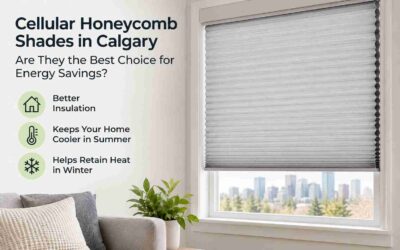
But from the side, you’ll notice the structure. Those little pockets—almost like a honeycomb. That’s where the difference comes in.
They trap air.
And trapped air works as insulation. It slows heat transfer. Not in a dramatic, high-tech way—just in a steady, consistent way that you start to notice over time.
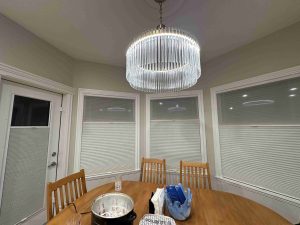
What Actually Changes After Installing Them
This is the part people usually care about.
The room doesn’t feel like it’s fighting the outside temperature anymore. That’s the easiest way to put it.
Midday sunlight becomes less aggressive. The heat doesn’t spike as quickly. And even when it’s hot outside, the inside holds steady a bit better.
It’s not about making the room cold. It’s about removing that constant “warm pressure” you feel during summer afternoons.
Energy Use—Not Dramatic, But Noticeable
If you’re expecting an instant drop in your electricity bill, that’s probably not how it works.
But over time, yes—there’s a difference.
When less heat enters your home, your AC doesn’t cycle as often. It doesn’t need to. And that adds up gradually. Month by month, especially during peak summer.
It’s one of those changes you don’t track daily, but you feel it over a season.
Light Still Comes In—Just Not the Harsh Kind
Nobody really wants to sit in a dark room all day.
That’s another reason cellular blinds work well. You can still let light in, just not the kind that overheats everything.
Light-filtering options soften the brightness. The room stays usable, comfortable, and natural-looking. Not dim. Not washed out.
And if you do want full darkness—bedrooms, for example—blackout versions handle that without much effort.
A Small Detail People Often Overlook
Sunlight doesn’t just heat a room. It slowly wears things down.
Floors lose colour. Furniture fades. Even walls can start to look uneven over time.
Cellular blinds reduce that exposure. Not completely, but enough to slow it down. It’s one of those long-term benefits that doesn’t stand out right away—but later, you’re glad it’s there.
Compared to Other Options… They Just Work Better
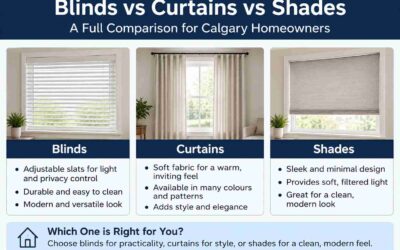
Curtains? They help, but they can trap heat instead of stopping it.
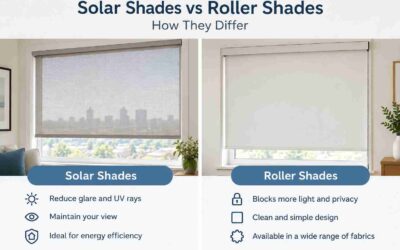
Roller shades? Clean look, but not much insulation.
Standard blinds? Good for glare, not for temperature.
Cellular blinds sit in a different category. They don’t feel heavy like curtains, and they don’t feel basic either. They just… work better where it counts.
Choosing the Right Type Without Overcomplicating It
You don’t need to overanalyze this.
If a room gets a lot of sun, go for double-cell blinds. They insulate better.
If you still want natural light, choose light-filtering fabric. If you want darkness, go blackout.
The bigger factor is fit. If there are gaps, performance drops. It’s that simple.
Why People End Up Working with Calgary Custom Window Coverings?
At some point, the decision isn’t about blinds—it’s about getting them right.
That’s where Calgary Custom Window Coverings comes in. Instead of guessing measurements or settling for something close enough, you get something that actually fits your windows properly.
And that matters more than people expect. Because even a small gap can let heat through and undo a lot of the benefit.
It’s not about making things complicated. It’s about doing it properly once.
A Practical Upgrade That Doesn’t Feel Like a Big Project
Not every improvement needs to be major to be effective.
This is a relatively simple change. No renovation. No major disruption.
But once it’s in place, you notice it—especially on the hottest days.
Conclusion
Finding the best window coverings for summer really comes down to one thing: controlling heat before it becomes a problem.
Cellular blinds do that without trying too hard. No complicated systems, no heavy materials—just a design that works.
And in a season where small comfort changes matter a lot, that’s usually enough.
FAQs
Q. Are cellular blinds good for hot climates?
Yes, they help slow heat transfer, which makes indoor spaces more comfortable.
Q. Do they completely block heat?
Not completely, but they reduce it enough to make a noticeable difference.
Q. Are they better than curtains in summer?
For insulation, yes. Curtains don’t trap air the same way.
Q. Do they make rooms darker?
Only if you choose blackout, light-filtering options keep rooms bright.
Q. Is the installation complicated?
Not really, but proper fitting improves performance significantly.
Q. How long do they last?
Honeycomb blinds, or any type of blinds, should last over 10 years, as long as they are treated gently.